What Changed in 2026: Trends Reshaping Daily Life
From work culture to consumer tech, 2026 brought shifts worth understanding.

2026 moved faster than most expected. Policy changes, workplace culture swings, and technology rollouts that seemed distant a year ago arrived quietly—and then all at once.
Some of these shifts are obvious. Others snuck through while attention was elsewhere. Here's what actually mattered.
Understanding what changed helps. It shapes how we work, spend, and plan ahead.
The Workplace Kept Shifting
Remote-work policies continued fragmenting. Tech companies pushed return-to-office mandates harder than ever. Traditional offices loosened expectations further.
The split created two labor markets—one where location mattered, one where it didn't. Salary expectations diverged too. This created friction.
According to U.S. Bureau of Labor Statistics data, workforce participation patterns shifted measurably. Geographic wage gaps widened.
Contract work also gained legitimacy. Fewer companies hired full-time. More built flexible teams across regions.

Key Shifts in 2026
Consumer Tech Matured Quietly
Artificial intelligence didn't disrupt everything overnight. Instead, it embedded itself into apps people already used.
Email assistants drafted replies. Photo apps recognized faces better. Search results got more accurate. The changes felt incremental but were cumulative.
Battery technology improved noticeably. Charging times dropped. Device longevity extended.
The biggest consumer shift wasn't a new product—it was the normalization of AI as infrastructure, not novelty.
Climate and Energy Got Practical
2026 saw less policy debate and more actual infrastructure change. Electric-vehicle charging networks expanded measurably. Wind and solar capacity grew.
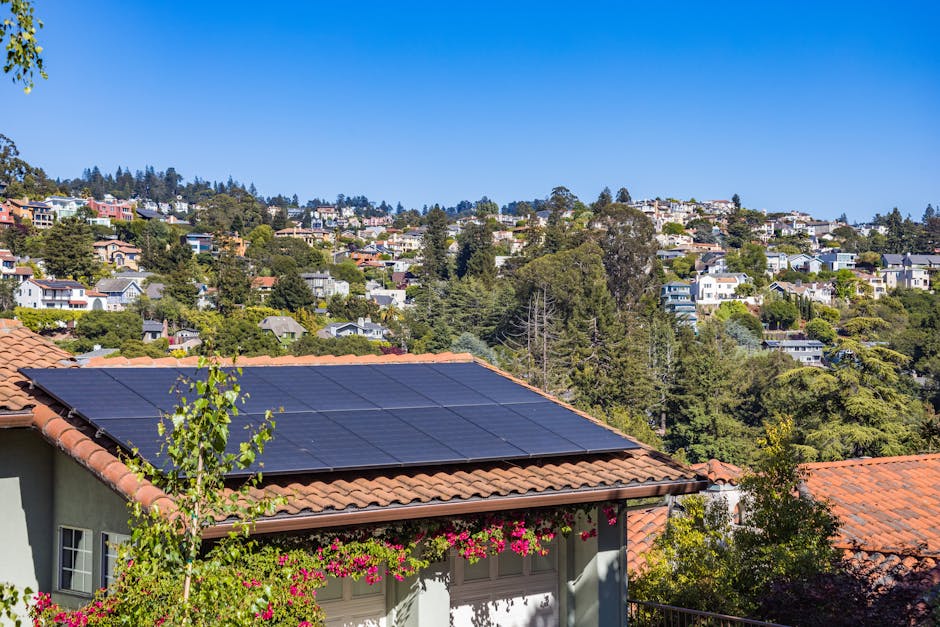
Home electrification moved from niche to mainstream. Heat pumps became affordable. Solar panel efficiency improved and prices fell further.
The energy sector didn't transform overnight. But the direction was clear, and the financial incentives were real.
Five Changes That Quietly Reshaped Behavior
1. AI became ambient — Every major software platform integrated generative AI. It stopped being a separate tool and became part of the operating system.
- Faster task completion in familiar apps
- Reduced friction for routine work
- Privacy questions multiplied
2. Remote work fragmented further — No unified standard emerged. Companies picked policies independently, creating location-dependent compensation.
- Geographic wage variation increased
- Talent mobility shifted
- Office real estate faced headwinds
3. Health data moved outside traditional insurance — Direct-to-consumer health monitoring expanded. Wearables and apps captured health signals insurance companies couldn't access.
- More granular self-tracking
- Privacy concerns grew
- Insurance models had to adapt
4. Energy got economically rational — Solar, heat pumps, and electric vehicles crossed cost-payoff thresholds in more regions without subsidies.
- Adoption accelerated on economics, not ideology
- Grid demands increased
- Supply chains became critical
5. Data privacy became regional — No federal standard. State and international regulations diverged. Companies built region-specific compliance.
- Fragmented consumer rules
- Compliance costs rose
- Data movement became complicated
What Didn't Change as Expected
Some anticipated disruptions stalled. Cryptocurrency regulation remained murky. Autonomous vehicles stayed in limited deployments. Full-scale AI-driven job displacement didn't materialize at predicted rates.
The difference between hype cycles and actual adoption became clearer. Technology adoption follows adoption curves, not headlines.
This matters for planning. Real change moves slower than media coverage suggests, but it moves more steadily.
The Takeaway
2026 didn't break things apart. It just shifted the baseline. Work got more fragmented. Tech got more ambient. Energy transitions got more economic.
These aren't dramatic changes. But they reshape how people make decisions about careers, where to live, how to invest time and money.
Paying attention to these shifts—rather than the louder noise—usually pays off.