How Digital Content Editing Tools Are Reshaping Publishing Workflows
From newsrooms to independent creators, modern editing platforms are changing how content moves from draft to publication.

Digital content editing has moved far beyond spell-check and grammar corrections. Today's tools integrate collaboration, version control, AI assistance, and editorial tracking into unified platforms.
Publishers, newsrooms, and independent creators face the same challenge: managing content quality while keeping workflows efficient. The shift from desktop publishing to cloud-native editing reflects deeper changes in how teams work together.
Understanding what these tools actually do—and why they matter—helps anyone involved in content production make smarter choices about their workflow.
The evolution of editorial tooling
Twenty years ago, editing meant passing Word documents back and forth via email, with conflicting revisions piling up. Tracked changes became a mess.
Cloud-based editing platforms emerged to solve that friction. Today's tools track every edit, show who changed what, and let teams comment in context without version chaos.
The content management system (CMS) itself has evolved into a broader ecosystem where editing, publishing, and analytics live alongside each other.
Core functions in modern editing platforms
Why newsrooms are rethinking their stacks
Newsrooms have always been deadline-driven. A story that misses the 6 p.m. cutoff is worthless. Traditional desktop publishing tools forced editors to wait for exports, uploads, and manual formatting.
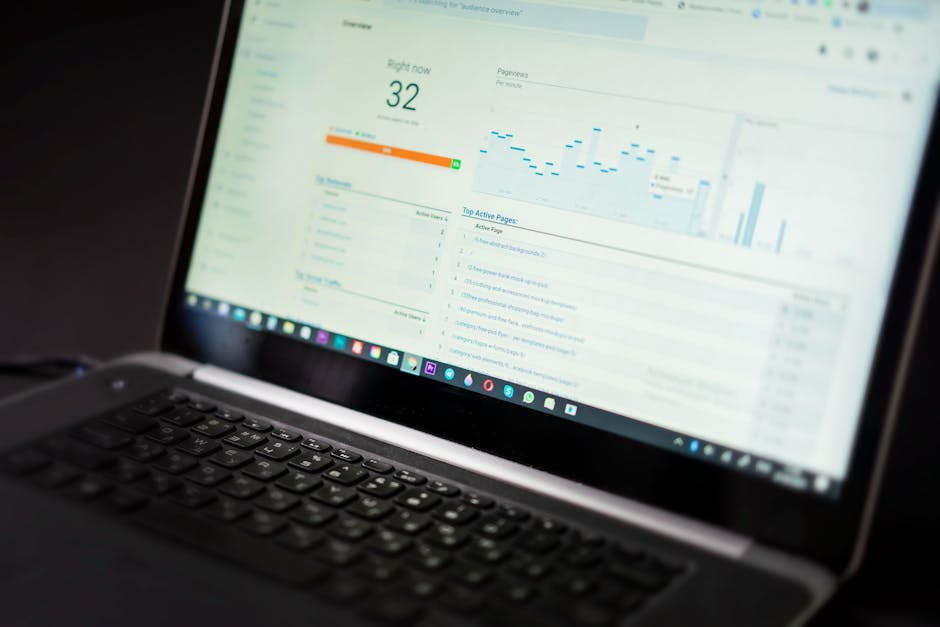
Modern platforms compress that lag. Writers see real-time feedback. Editors can flag structural issues before the copy is finished. Publishers can schedule and monitor performance without leaving the editing interface.
Poynter Institute and other journalism organizations have documented how streamlined workflows reduce errors and improve story quality under deadline pressure.

The shift from gatekeeping to guidance
Traditional editing was hierarchical: writers submitted, editors reviewed, and only then did copy move forward. The gatekeeper model worked for controlled distribution.
Digital-first publishing inverted that. Content lives in draft form longer, circulating internally for feedback before any publish decision. Editing becomes continuous and collaborative rather than a final checkpoint.
Journalism.org research shows that transparent, ongoing editorial feedback—enabled by modern tools—correlates with stronger newsroom morale and faster story turnaround.
Platforms like Openedits exemplify this shift, embedding editorial guidance directly into the writing and editing interface rather than treating review as a separate stage.
Trade-offs worth understanding
Strengths
- Faster collaboration and fewer email threads.
- Complete audit trail for compliance and fact-checking.
- AI assistance reduces manual copyediting labor.
- Real-time performance metrics inform editorial choices.
- Easier remote and distributed team coordination.
Trade-offs
- Too many simultaneous changes can feel chaotic.
- Over-reliance on automation can homogenize voice.
- Integration with legacy publishing systems can be painful.
- Learning curve for teams accustomed to desktop tools.
- Vendor lock-in if switching platforms later becomes necessary.
What's next for editorial technology
AI will continue reshaping the editing landscape. Tone detection, automated fact-checking, and personalized editorial suggestions will become table stakes.
The real frontier is integrating editing with distribution. Knowing how an article performs should inform how you edit the next one—feedback loops that today's platforms are only beginning to close.
For anyone running a publication in 2026, the choice is no longer whether to adopt digital editing tools, but which ones fit your team's unique workflow and scale.
The bottom line
Digital content editing has shifted from a technical necessity to a strategic advantage. Teams that master modern tools—and resist the temptation to over-automate—stay competitive.
The best editing platform isn't the flashiest; it's the one that gets out of the way and lets writers and editors focus on clarity, accuracy, and audience value.