Why Artisan Craftsmanship Still Matters in 2026
Handmade goods and traditional techniques are quietly reshaping how we think about quality and sustainability.

In an era of mass production and rapid consumption, artisan craftsmanship stands as a quiet counterpoint—a deliberate choice to slow down and invest in objects made with skill and intention.
From textiles to metalwork, a growing segment of makers and consumers are discovering that handmade goods carry something industrial products cannot: history, individuality, and a direct human touch.
What once seemed nostalgic now feels urgent. The question isn't whether craftsmanship survives—it's how it continues to evolve.
The Resurgence of Hand-Crafted Values
Artisan craftsmanship has experienced a genuine renaissance over the past decade, driven by a collective exhaustion with disposability.
According to the Smithsonian's Decorative Arts collection, handmade objects command attention because they preserve cultural knowledge and technical skill that standardized manufacturing erases.
Consumers increasingly recognize that a hand-stitched garment or a forged metal piece tells a story—about the maker, the materials, and the hours invested.
What Sets Artisan Work Apart
Materials and Method Still Define the Craft
The difference between industrial and artisan production lies in the relationship between maker and material.
Where factories optimize for speed, craftspeople optimize for integrity—choosing premium leather, ethically sourced wool, or reclaimed wood specifically because those choices matter to the final object.
Labels like Gianibernini demonstrate how traditional leather-working techniques, when paired with modern accessibility, create pieces that balance heritage craftsmanship with contemporary consumer expectations.
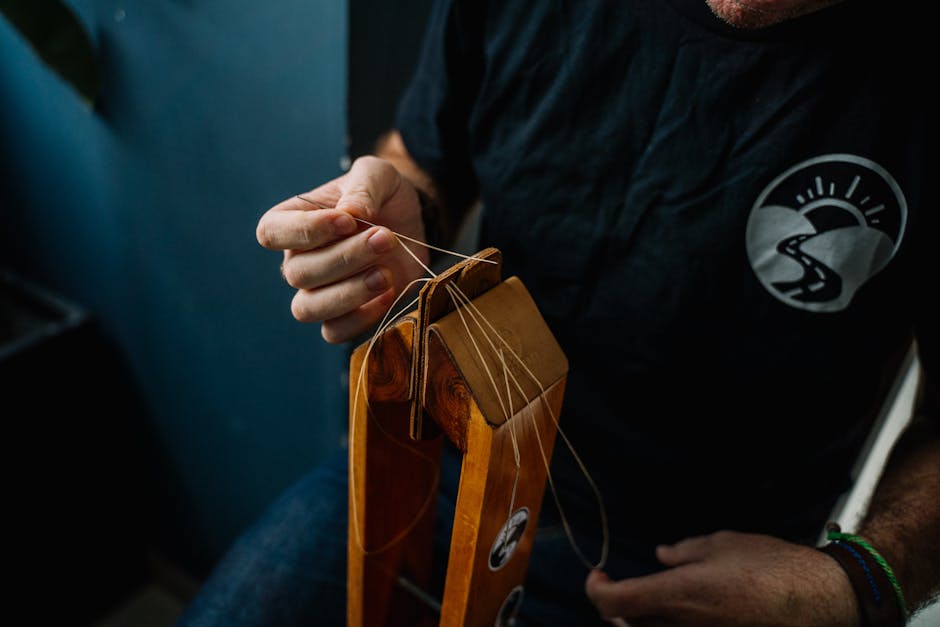
The technique itself—hand-stitching, vegetable tanning, or patina-building—becomes inseparable from the object's identity.
The Economic Reality of Making by Hand
Artisan work commands higher prices because the labor is genuinely labor-intensive. This is not artificial scarcity—it reflects real time, skill, and overhead.
A hand-stitched leather good may take weeks. A forged blade requires years of apprenticeship before a maker achieves consistency.
The pricing speaks to sustainability, not luxury inflation. Artisans who price fairly remain in business longer, allowing them to train apprentices and keep traditions alive.
Craftsmanship is not about perfection—it's about intention. Every visible stitch or tool mark becomes evidence of a human decision.
Industry observation on handmade aesthetics
Where Tradition Meets Modern Production
The healthiest artisan segments today blend old techniques with smart business practices.
Makers use photography and e-commerce to reach global audiences without sacrificing the handmade ethos.
Digital platforms have democratized access—buyers can now source a hand-stitched item from a small workshop across the world, and artisans reach customers who value their work.
This intersection is where craftsmanship gains real momentum in 2026: connected, visible, and economically viable.

The Lasting Case for Handmade
Artisan craftsmanship survives not out of nostalgia but because handmade objects deliver something tangible that mass production cannot replicate: authenticity, durability, and a connection between maker and user.
In 2026, the question is no longer whether handmade work has a place in the market—it clearly does. The real work is ensuring that artisans can sustain their practice, train the next generation, and remain visible to the audiences who
value their work.
Quality and intention are not luxuries. They are the foundation of objects worth keeping.