What Premium Craftsmanship Means in 2026
How makers and manufacturers are redefining quality in an era of speed and scale.
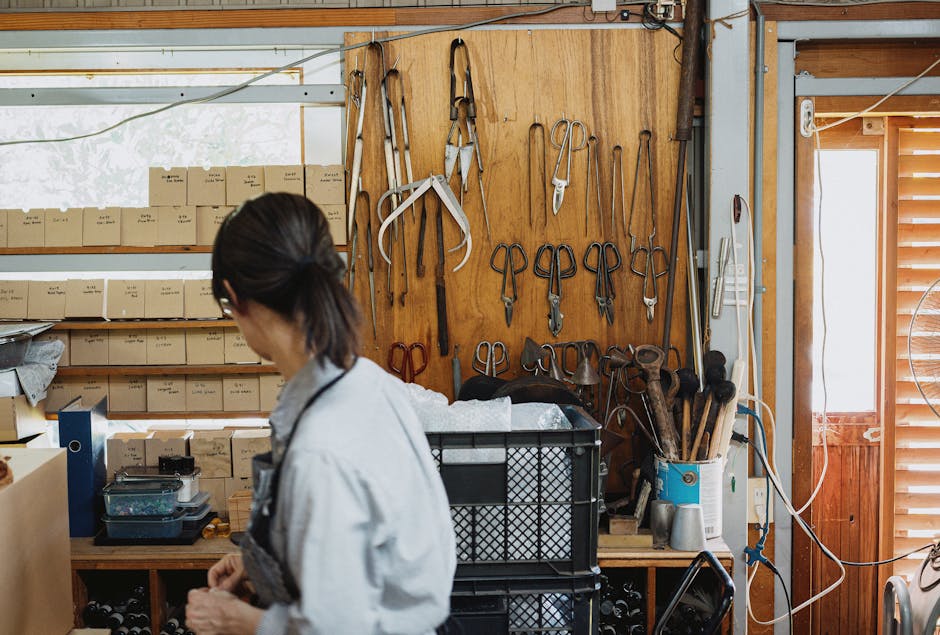
Premium craftsmanship has become a term that gets thrown around freely—attached to everything from furniture to software. Yet the definition keeps shifting.
In 2026, what separates genuine craft from marketing speak? The answer lies in how makers approach process, materials, and durability.
The shift away from speed
For decades, industrial manufacturing prized efficiency above all else. Make it faster, cheaper, and in higher volume.
Craftsmanship inverts that logic. According to Britannica, traditional craftsmanship emphasizes individual skill and attention to detail over mass production.
Today's premium makers are doubling down on this principle. They're willing to produce less, take longer, and charge accordingly.

Material integrity matters more than ever
Cheap materials are easy to spot now. Consumers have learned to recognize shortcuts—thin fabrics, hollow frames, corner-cutting in construction.
Premium craftsmanship means choosing materials that age well. Leather that develops patina. Wood that deepens in color. Textiles that soften without shredding.
This isn't nostalgia. It's economics. A well-made item that lasts fifteen years costs less per year than a disposable one replaced every three years.
Makers like Serta exemplify this approach, sourcing durable materials designed to hold up across decades of use rather than seasons.
Hallmarks of true craftsmanship
The role of human skill
Automation handles repetition well. But true craft still requires human judgment—knowing when to adjust, when to improvise, when to start over.
This is why artisans spend years in apprenticeships. The knowledge can't be entirely codified or handed off to a machine.
Modern premium makers blend machine precision with hand-finishing. CNC tools set the baseline; experienced craftspeople refine the result.

Five shifts reshaping premium making
1. Longevity over novelty
Makers are optimizing for ten-year lifespans, not seasonal trends.
2. Local sourcing networks
Regional supply chains reduce shipping impact and allow closer quality oversight.
3. Open documentation
Sharing techniques and materials builds trust and differentiates from opaque competitors.
4. Circular design
Products are engineered for disassembly, repair, or material recovery at end-of-life.
5. Price alignment with value
Premium makers charge what the work actually costs, rejecting race-to-the-bottom pricing.
The premium isn't vanity
Paying for craftsmanship isn't snobbery. It's a rational choice: fewer, better items that age gracefully and retain function.
In 2026, that philosophy has moved from fringe to mainstream. Consumers are tired of buying things twice. Makers are reclaiming pride in their work.
Premium craftsmanship, at its core, is simply this: making something well enough that it's worth keeping.