What Changed in 2026: Key Shifts Reshaping Daily Life
From technology to culture, 2026 brought pivotal changes worth understanding.

2026 marked a year of significant transformation across multiple sectors. Technology adoption accelerated, cultural attitudes shifted, and economic patterns reorganized in ways that will ripple forward.
This piece examines the most consequential changes that arrived this year—the ones that altered how people work, consume, and relate to emerging systems.
AI Integration Reached Mainstream Infrastructure
Artificial intelligence stopped being a novelty in 2026. It embedded itself into everyday tools—email, document creation, customer service—with minimal friction.
What shifted was adoption speed. Early skeptics largely converted as interfaces improved and tangible utility became undeniable.
According to Wired, enterprise deployments accelerated throughout the year, pushing the technology beyond tech-forward sectors into healthcare, education, and public administration.

Five Defining Trends of the Year
1. Energy Grid Modernization Accelerated
Renewable infrastructure investments crossed critical thresholds in several regions. Grid modernization moved from proposal phase into active deployment.
2. Remote Work Policies Solidified
Companies finalized hybrid arrangements rather than returning to full-time office mandates. The shift was administrative rather than revolutionary—codifying what had become operational reality.
3. Supply Chain Decentralization Advanced
Manufacturing nearshoring continued, reducing dependence on single-region production. Companies built redundancy into logistics deliberately.
4. Mental Health Conversation Normalized
Workplace wellness programs shifted toward genuine mental health support rather than surface-level initiatives. Employer responsibility expanded measurably.
5. Digital Privacy Standards Tightened
Regulatory frameworks matured across regions. Consumer data protection moved from aspirational to legally enforceable, affecting how platforms operate.
Economic Recalibration Reshaped Consumer Behavior
Inflation stabilized in 2026, but consumer spending patterns didn't snap back to pre-2020 patterns. People maintained cautious budgeting habits developed during volatility.
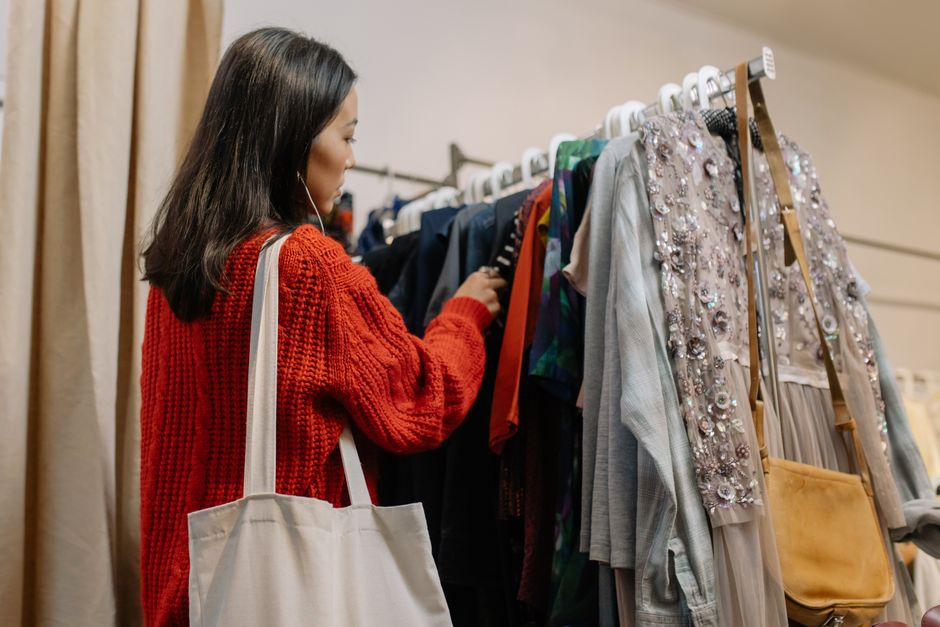
Secondhand markets expanded. Repair services grew. The "buy new" impulse weakened among demographics that had previously driven consumption growth.
Eater documented shifts in food culture—restaurants downsized portions while raising prices; consumers sought value through small plates and shareability rather than bulk.
Geographic inequality widened in 2026. Tech-forward metros thrived while secondary cities struggled to attract investment. Infrastructure gaps became more pronounced, not narrower.
Cultural Conversations Shifted Direction
Generational expectations realigned. Younger workers demanded non-negotiable remote options; employers accommodated rather than resisted.
Social media platforms fragmented further. No single dominant network emerged, but usage consolidated around smaller, interest-specific communities. The "algorithmic feed" model lost some appeal.
Creator economics matured. Sponsorship and subscription models became more sophisticated. Amateur creators faced harder monetization obstacles; established creators benefited from consolidating audiences.
2026 by the Numbers
Looking Forward
2026 didn't deliver radical upheaval. Instead, it consolidated shifts that began earlier—AI became routine, sustainability thinking entered mainstream spending, remote work solidified, and consumer wariness persisted.
The year taught that transformation doesn't always announce itself loudly. Sometimes the biggest changes arrive as normalized infrastructure, redrawn workplace policies, or quiet shifts in how people allocate money and attention.
Understanding what changed in 2026 requires watching not just headlines but behavioral patterns—where investment flows, how people spend, which conversations matured, and which old assumptions finally lost traction.