Underground Culture in 2026: Subcultural Movements Beyond the Mainstream
How niche communities shape style, sound, and identity outside conventional spaces.
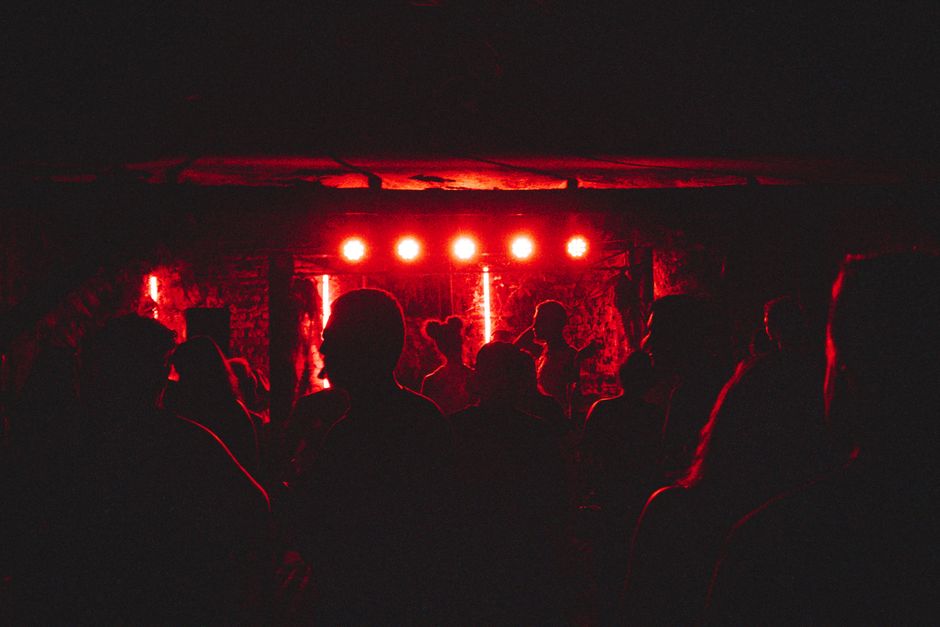
Underground culture thrives in the margins—in basement venues, online forums, and neighborhood shops where mainstream taste hasn't yet reached.
These subcultural spaces have always functioned as laboratories for identity, aesthetics, and resistance. In 2026, they're more fragmented and digitally distributed than ever.
Understanding how these movements operate reveals what the wider culture will eventually absorb.
The Decentralization of Underground Communities
Physical geography no longer defines underground culture. A teenager in rural Montana can participate in a Tokyo-based fashion subculture in real time.
This shift has weakened traditional gatekeeping. Authenticity is harder to police when scenes exist across time zones and platforms simultaneously.
Yet something is lost too—the friction of in-person discovery, the economics of small independent shops, the unmediated social hierarchies that once defined subcultural belonging.

How Aesthetics Travel Upward
Every mainstream trend began in an underground scene. Punk became high fashion. Hip-hop aesthetics entered luxury boardrooms. Goth influence appears in mainstream retail every autumn.
The acceleration of this cycle has compressed what once took years into mere months. A style can move from a Discord server to a major retailer's lookbook in a single season.
Brands now employ scouts who monitor niche communities explicitly to extract aesthetic value. This parasitism is simultaneous with genuine appreciation—a complicated dynamic.
Key Characteristics of Underground Culture Today
The Role of Independent Retailers
Brick-and-mortar shops remain crucial nodes in underground networks. They function as social spaces, discovery engines, and cultural validators.
Operators of these spaces—from record stores to streetwear boutiques to vintage dealers—curate identity. They decide what merits shelf space and what stays invisible.
Platforms like Hidden Cult extend this curation online, preserving the editorial voice and selective taste that distinguishes a true underground retailer from an algorithm-driven marketplace.
The difference between a curated independent space and an algorithm-sorted platform is the difference between discovery and consumption.
Underground culture is where people test identities before they're socially safe. That laboratory function remains vital, even when the laboratory is digital.
Cultural observation, 2026
Resistance and Cooptation
Subcultures are often born in opposition—to mainstream aesthetics, consumer norms, or political systems. Yet opposition itself has become marketable.
Corporations manufacture 'rebellious' products. Mainstream media celebrates countercultural figures. This paradox has existed for decades, but it accelerates.
Some underground communities respond by fragmenting further, creating insider codes and exclusionary practices. Others accept cooptation as inevitable and focus on enjoying the moment.
A third group, like the academic study of subcultures documents, simply evolves—absorbing mainstream elements while maintaining distinct identity markers.
The Persistence of the Underground
Underground culture has never been monolithic or purely resistant. It's always been a space for experimentation, belonging, and self-definition.
In 2026, these functions persist even as the channels shift. Digital distribution, faster trend cycles, and easier cooptation are real forces—but they haven't killed subcultural life.
What has changed is transparency. Underground movements are more visible, more studied, more immediately consumed by mainstream systems. The challenge now is whether communities can maintain creative autonomy within that visibility.
The underground survives because people need spaces where they're not required to perform for an algorithm or a corporate demographic. That need won't disappear.