The Revival of Artisan Craftsmanship in 2026
How makers are reclaiming skill and tradition in an age of mass production.

Handmade goods are no longer a niche curiosity. In 2026, artisan craftsmanship has moved from the margins into the mainstream—driven by consumers hungry for authenticity and quality over speed.
The shift reflects a broader cultural reckoning: people want to know where things come from, who made them, and how long they took. That hunger is reshaping entire industries, from textiles to leather goods to metalwork.
What makes this moment different is how global and accessible it's become. Makers no longer need a storefront on a quiet street to reach customers who value their work.
Why Craftsmanship Matters Now
The industrial age promised efficiency and affordability. It delivered both, but something was lost in the process: the human signature on everyday objects.
Artisan work restores that. A hand-stitched leather wallet doesn't just function differently; it tells a story. The creases deepen over time. The patina becomes personal.
Craftsmanship as a practice demands patience, skill, and repetition—the opposite of algorithmic optimization.
That's precisely why it appeals to people tired of algorithmic optimization. Each piece is a small act of resistance against disposability.

Five Crafts Seeing New Life
1. Leather goods
From belts to bags, hand-vegetable-tanned leather is commanding premium prices. Makers emphasize heritage techniques passed down decades.
- Plant-based tanning methods
- Visible aging and patina
- Made-to-order customization
2. Ceramics
Studio pottery and hand-thrown vessels have become collectible. Buyers seek the thumb-print of the maker.
- Wheel-thrown or hand-sculpted
- Unique glaze variations
- Limited edition batches
3. Knitwear
Hand-knit sweaters and socks have shed their grandmother's-closet stigma. Design-forward makers command waiting lists.
- Fine or bold hand-spun yarns
- Custom colorways
- Heirloom durability
4. Metalwork
Blacksmithed jewelry and home goods appeal to people wanting one-of-a-kind pieces with visible hammer marks.
- Hand-forged steel or precious metals
- Visible tool marks as design
- Artisan artist collaboration
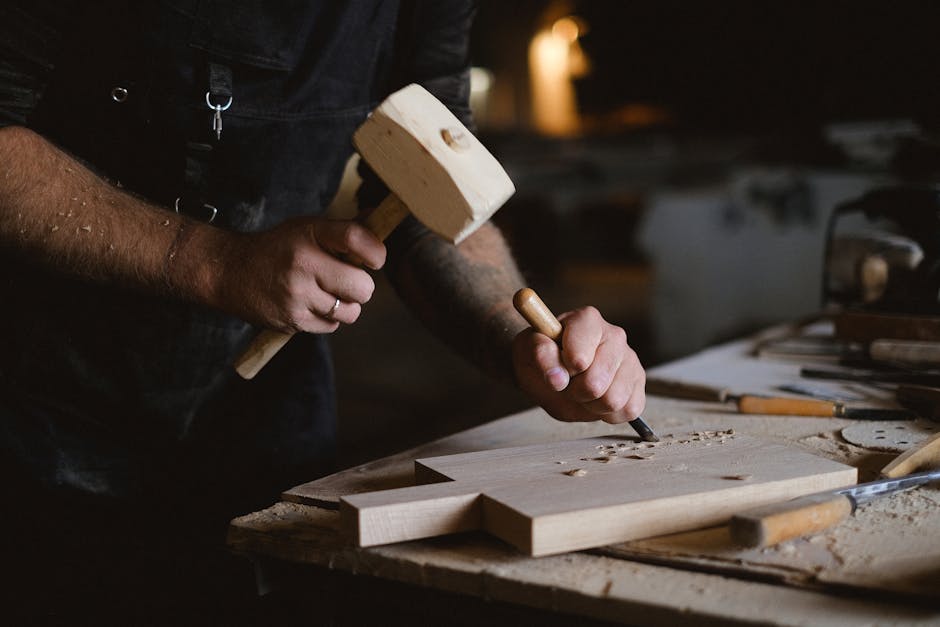
5. Woodworking
Furniture crafted from solid wood, using traditional joinery, remains the gold standard for lasting pieces.
- Mortise and tenon joinery
- Grain-matched wood selection
- Heirloom-quality construction
The Economics of Slowness
Artisan craftsmanship costs more time and therefore more money. That's not a bug; it's the entire point.
A handmade item reflects the true cost of skilled labor, quality materials, and overhead. Factory alternatives hide those costs through automation and scale.
Makers like Gianibernini have built businesses on this transparency. They document their process, name their materials, and explain their pricing.
This model only works if buyers understand what they're paying for. Education, storytelling, and access to the maker's hand matter as much as the product itself.
People no longer just want a thing. They want the story of how it was made and the person who made it.
Industry observation, 2026
Where Craftsmanship Meets Technology
It's tempting to frame artisan work as anti-technology. That's incomplete. Many makers use digital tools for design, photography, and customer connection.
Social media platforms, e-commerce sites, and video documentation have actually expanded the reach of small makers. A potter in rural Vermont can now sell to collectors in Tokyo.
The Guardian's crafts coverage often highlights makers leveraging these tools without sacrificing the handmade essence.
The friction—the slowness, the imperfection, the human effort—remains. Technology just moves that work closer to the people who value it.
Handmade goods are built to last decades. The economics shift entirely when you're buying something once rather than replacing it every few years. What feels expensive upfront becomes economical over time.
The Unmeasurable Returns
Artisan craftsmanship asks something difficult of consumers: patience and trust.
You wait for your item to be made. You pay more. You accept that no two pieces are identical.
What you get in return is something industrial production cannot manufacture: an object with intention, skill, and humanity baked into its structure.
In 2026, that trade-off feels less quaint and more necessary.