What changed in 2026 you should know about
From policy shifts to technology breakthroughs, this year brought quiet revolutions to work, health, and how we connect.

2026 didn't arrive with fanfare, but it landed with consequence. Several convergences — policy updates, technology deployment, and cultural momentum shifts — have quietly reshaped how millions work, rest, and move through the world.
Some changes snuck in under the radar. Others have been anticipated for years. What they share is tangibility: not speculation, but things already reshaping the ground beneath our feet.
The AI infrastructure moment
By mid-2026, artificial intelligence stopped being a prototype conversation. Major cloud providers and enterprise platforms have pushed substantial deployments into production — not demos, but systems handling real workflows.
The shift matters less for the technology itself and more for consequence: workplace routines have visibly changed. Coding roles now assume AI pair-programming. Customer service teams operate differently. Data analysis scaled.
This wasn't promised for 2026; it arrived anyway. Industry observers have documented a measurable acceleration in adoption cycles, compressing what was expected to take five years into roughly eighteen months.

Five tangible shifts in 2026
1. Remote work policy hardening — Corporate return-to-office mandates became enforced.
The hybrid experiment ended. Across North America and Europe, Fortune 500 firms shifted from suggestion to requirement: in-office three to five days weekly, with compliance tied to performance reviews and promotion eligibility.
2. Healthcare cost transparency — Price visibility arrived in medical billing.
U.S. healthcare providers began publishing real-time procedure costs and insurance negotiation terms. The friction was immense; the shift was regulatory and irreversible.
3. Energy grid modernization — Residential solar and battery adoption accelerated.
Battery costs hit inflection points. Home energy systems became economically viable without subsidies. Grid operators rewrote interconnection rules.
4. Credential portability — Professional licensing became interstate-transferable.
Teaching, nursing, and skilled trades began accepting cross-state credentials. Mobility increased; geographic wage arbitrage began to flatten.
5. Content ownership revival — Creator platforms shifted economics toward direct revenue.
Ad-supported social platforms lost velocity. Creators consolidated around owned channels, newsletters, and membership models. The ad-industrial complex showed cracks.
The quiet infrastructure stories
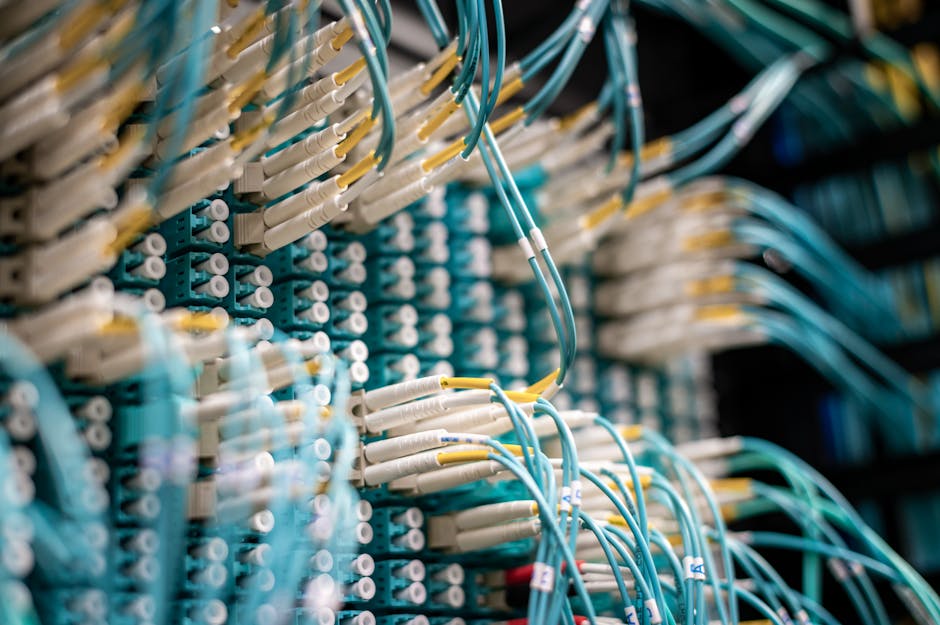
Not every major shift came with press releases. Some 2026 changes were technical — fiber-optic expansion in rural areas, IPv6 adoption crossing 50% globally — and they barely registered in mainstream media.
Yet they compound. Bandwidth availability reshapes possibility. IEEE research published in early 2026 documented how network infrastructure parity begins eroding the rural-urban digital divide within three to five years.
Small changes compound quietly. The unsexy, infrastructure-level shifts often matter more than the consumer-facing announcements.
Several 2026 changes are still rippling outward. Regulatory enforcement of healthcare price transparency triggered lawsuits. Energy grid modernization in some regions became contentious. Return-to-office mandates sparked talent churn. The full consequence won't be visible for another year or two.
What didn't change (but should have)
2026 was not a year of universal progress. Wage growth remained flat in many sectors. Housing affordability worsened. Political polarization deepened. Some promised shifts — massive climate infrastructure spending, education reform — remained stalled in planning or negotiation.
The year revealed which changes were inevitable versus which required active choice. That distinction matters for what comes next.
Winners and friction points
What gained momentum
- AI deployment became real enough to reshape daily workflows
- Healthcare price transparency removed some information asymmetry
- Energy and connectivity infrastructure expanded measurably
- Professional mobility increased across state and geography lines
Where friction emerged
- Return-to-office mandates disrupted millions of work arrangements
- Healthcare transparency triggered billing disputes and legal challenges
- Grid modernization created regional inequities in adoption speed
- Wage stagnation persisted despite technological acceleration
The 2026 inflection
2026 was not revolutionary in the way 2020 was. No pandemic, no election shock, no single catastrophe. Instead, it was a year of convergence — multiple trends reaching critical mass simultaneously.
Some changes will continue. Others will reverse or redirect. The infrastructure shifts feel irreversible; the policy shifts less so. The real lesson is that transformation doesn't require drama. It requires enough small decisions, enough technical thresholds crossed, enough critical mass
achieved — and then the ground beneath us shifts before anyone quite notices.