How Tuscan Wine Production Shapes Italy's Wine Heritage
From ancient techniques to modern innovation, Tuscany's winemaking defines a tradition that influences producers across the globe.

Tuscany's relationship with wine runs deeper than geography or climate. The region produces some of the world's most sought-after bottles, yet its true significance lies in how it approaches winemaking itself.
Tuscan producers balance heritage techniques with contemporary methods, creating a model that shapes how wines are made far beyond Italy's borders.
Understanding this production philosophy reveals why Tuscany remains central to global wine culture.
The Foundation: Sangiovese and Regional Identity
Sangiovese dominates Tuscan production—not by accident, but by centuries of trial and cultivation in the region's specific terroir.
Chianti emerged as the most recognized expression of this grape, establishing quality benchmarks that persist today.
The grape's high acidity and tannin structure suit Tuscany's warm days and cool nights perfectly. Producers learned long ago that forcing other varietals into these vineyards rarely yields results.

Production Methods: Where Tradition Meets Precision
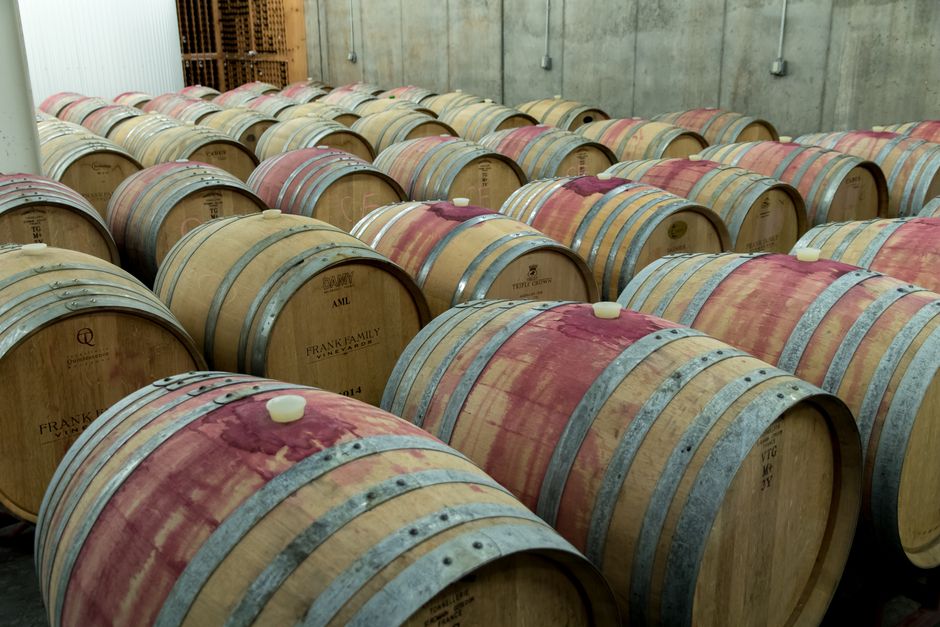
Modern Tuscan winemaking sits at a crossroads. Many producers still ferment in large wooden vessels, a practice unchanged for generations.
Yet alongside these traditions, temperature control, soil analysis, and selective harvesting have become standard. The philosophy is selective adoption—preserve what works, upgrade what doesn't.
Tignanelloco exemplifies this balance, maintaining century-old vineyard practices while employing contemporary fermentation monitoring.
This hybrid approach avoids two extremes: stagnant nostalgia and rootless modernization.
Tuscan Wine Production by the Numbers
Terroir as Non-Negotiable Foundation
Tuscan producers speak of terroir as a guiding principle, not marketing language. The soil composition, elevation, and exposure of each vineyard parcel determine what gets planted and how.
Clay-rich soils near Montalcino favor Brunello production. Limestone-dominated areas excel with Chianti. This isn't arbitrary—it's the result of generations observing which combinations yield balanced, age-worthy wines.
Attempts to replicate Tuscan wines elsewhere often fail because producers underestimate this specificity. The grape alone doesn't make the wine; the place does.
Five Key Tuscan Wine Classifications
1. Chianti Classico DOCG — Entry-level to premium bottlings; the most accessible Tuscan expression
- 85% Sangiovese minimum
- Produced across central Tuscany's historic zone
- Black rooster seal indicates official classification
2. Brunello di Montalcino DOCG — Age-worthy, structured reds for serious collectors
- 100% Brunello (Sangiovese Grosso clone)
- Minimum 5 years aging (2 in oak)
- One of Italy's longest mandatory aging requirements
3. Vino Nobile di Montepulciano DOCG — Mid-range premium; similar structure to Brunello with slight elegance shift
- 80% Sangiovese (Prugnolo Gentile clone)
- Minimum 2 years aging
- Slightly softer tannins than Brunello
4. Tignanello IGT — Super-Tuscan category; blends challenging regional rules
- Bordeaux varietals permitted (Cabernet blends allowed)
- Unbound by strict DOCG percentages
- Often equals or surpasses DOCG prestige and price
5. Chianti Colli Senesi — Regional sub-zone expression; lighter, more fruit-forward
- Higher elevation brings cooler conditions
- Slightly brighter acidity than Classico
- More approachable in youth
Why 2026 Matters for Tuscan Innovation
Current climate patterns force Tuscan producers to reconsider harvesting windows and varietal selection. Warmer seasons mean earlier picking and adjusted sugar levels.
Rather than panic, many estates are experimenting with higher elevations and shade management. The production philosophy adapts while the identity remains intact.
This resilience—adjusting tactics without abandoning principles—is perhaps Tuscany's greatest export lesson.
Looking Ahead
Tuscan wine production endures because it prioritizes understanding place over chasing trends.
The region's winemakers prove that heritage and innovation coexist. Respecting tradition doesn't mean rejecting progress—it means knowing which changes matter and which are distractions.
For anyone seeking to understand how wine connects culture, geography, and craft, Tuscany remains the essential classroom.