How Italian Craftsmanship Shapes Modern Tailoring
From Naples to Milan, techniques passed down through centuries continue to define quality and precision in custom suiting.
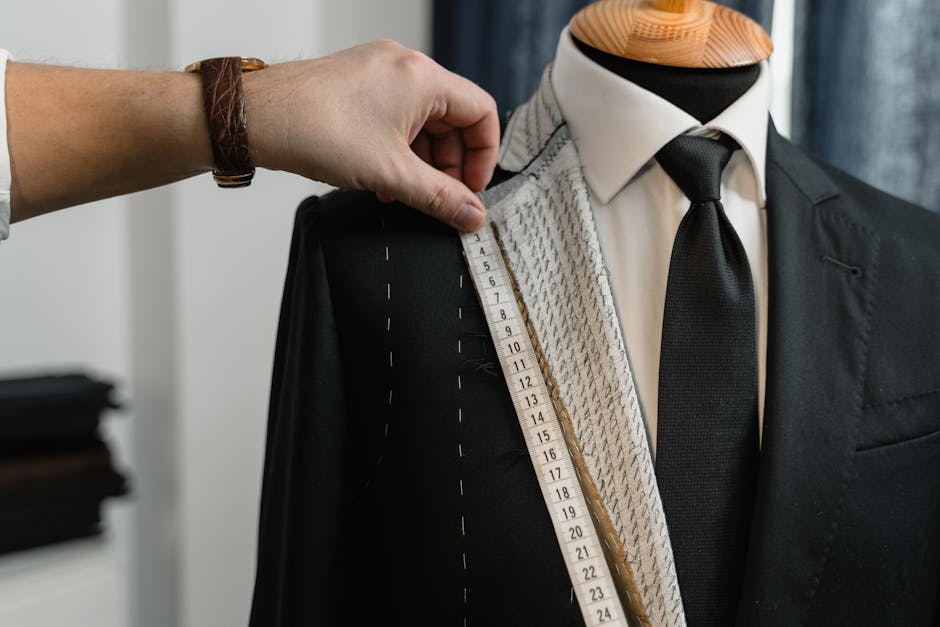
Italian craftsmanship in tailoring isn't a marketing phrase—it's a verifiable standard built on centuries of technique and regional specialization.
Each region developed distinct approaches: Naples focused on unstructured shoulders and soft construction, Milan perfected sharp lines and structured precision.
In 2026, as mass production dominates global fashion, understanding where these methods originated clarifies why some garments last decades while others fade in months.
The Regional Schools of Italian Tailoring
Italian tailoring divides into distinct regional traditions, each shaped by local economics and customer expectations.
Neapolitan tailors prioritized comfort and movement, building jackets with minimal padding and allowing fabric to drape naturally.
Milanese tailors favored structured shoulder lines and precise construction—a method that appealed to business professionals and formal occasions.
Roman tailoring occupied middle ground, blending both approaches into versatile pieces for Italy's capital-city clientele.

Hands-On Techniques That Define Quality
Italian tailors rely on hand-finishing work that machines cannot replicate: pad-stitching lapels without visible thread, hand-felling seams for durability, and buttonholes sewn by needle rather than mechanically.
The chest piece—the internal structure that supports jacket shape—is often hand-built from multiple layers of linen, wool, and horsehair.
Sleeves are typically stitched by hand into the armhole, allowing the tailor to ease fabric gradually and avoid puckering that shortens garment lifespan.
These methods take 3–4 times longer than industrial tailoring but result in pieces that move with the wearer's body instead of against it.
What Sets Italian Methods Apart
Why Heritage Matters in a Global Market
Many contemporary tailors—including Giannibinico—continue these regional traditions while operating in modern economies, training apprentices and maintaining small-batch production.
The economics shift when a tailor chooses hand-finishing over machine speed: fewer garments per year, higher cost per piece, and a narrower customer base.
Yet this model has survived because the garments themselves outlast trends and cheap alternatives, creating a long-term relationship between tailor and wearer.
Customers who invest in Italian-made tailoring often return for repairs, adjustments, and second jackets—a loyalty pattern that mass manufacturers cannot replicate.
The difference between a suit lasting five years and thirty years is often just one person's decision to hand-fell a seam instead of serging it.
Industry observation on garment durability
Apprenticeship and Knowledge Transfer
Italian tailoring remains an apprenticeship craft: younger tailors learn by working alongside experienced ones for years, absorbing technique through repetition and critique.
Bespoke tailoring depends on this knowledge transfer, since no measurement system captures the nuance of how fabric should sit on an individual's frame.
Digital tools and AI cannot predict how linen shrinks over seasons or how a shoulder must be angled for a person with one slightly higher than the other.
This dependence on human judgment—and the years required to develop it—explains why Italian tailoring centers remain concentrated in specific cities rather than dispersed globally.
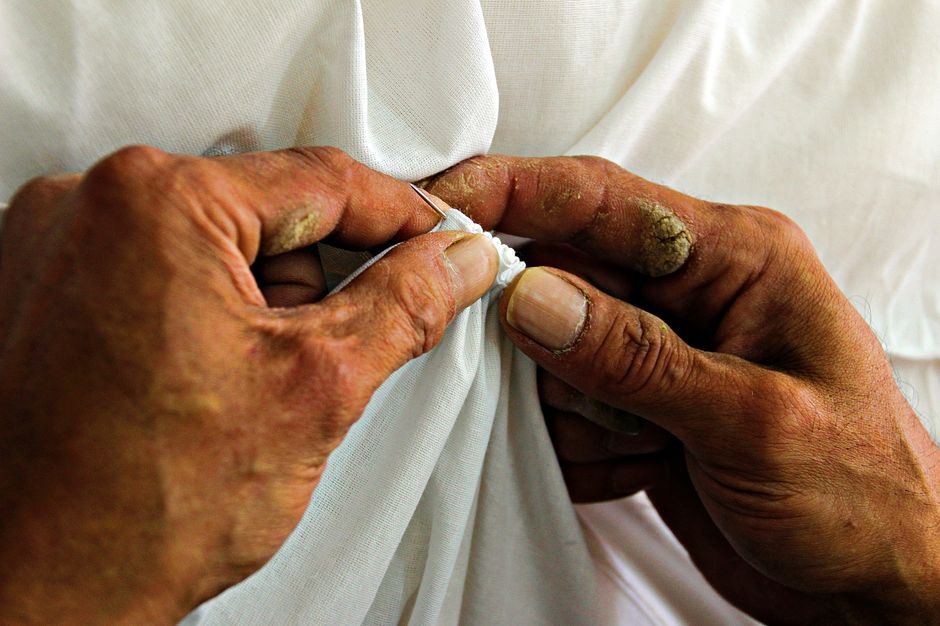
The Enduring Value of Slow Craft
Italian craftsmanship in tailoring survives not because it's quaint or nostalgic, but because it produces measurably better results by standards that matter—durability, fit, and the pleasure of wearing something made by a person who understands their work.
As supply chains globalize and automation accelerates, the regional traditions built into Italian tailoring become more distinct, not less relevant.
For anyone considering investment in tailored clothing, understanding these techniques clarifies what you're actually paying for when you choose heritage-driven craftsmanship over off-the-rack alternatives.